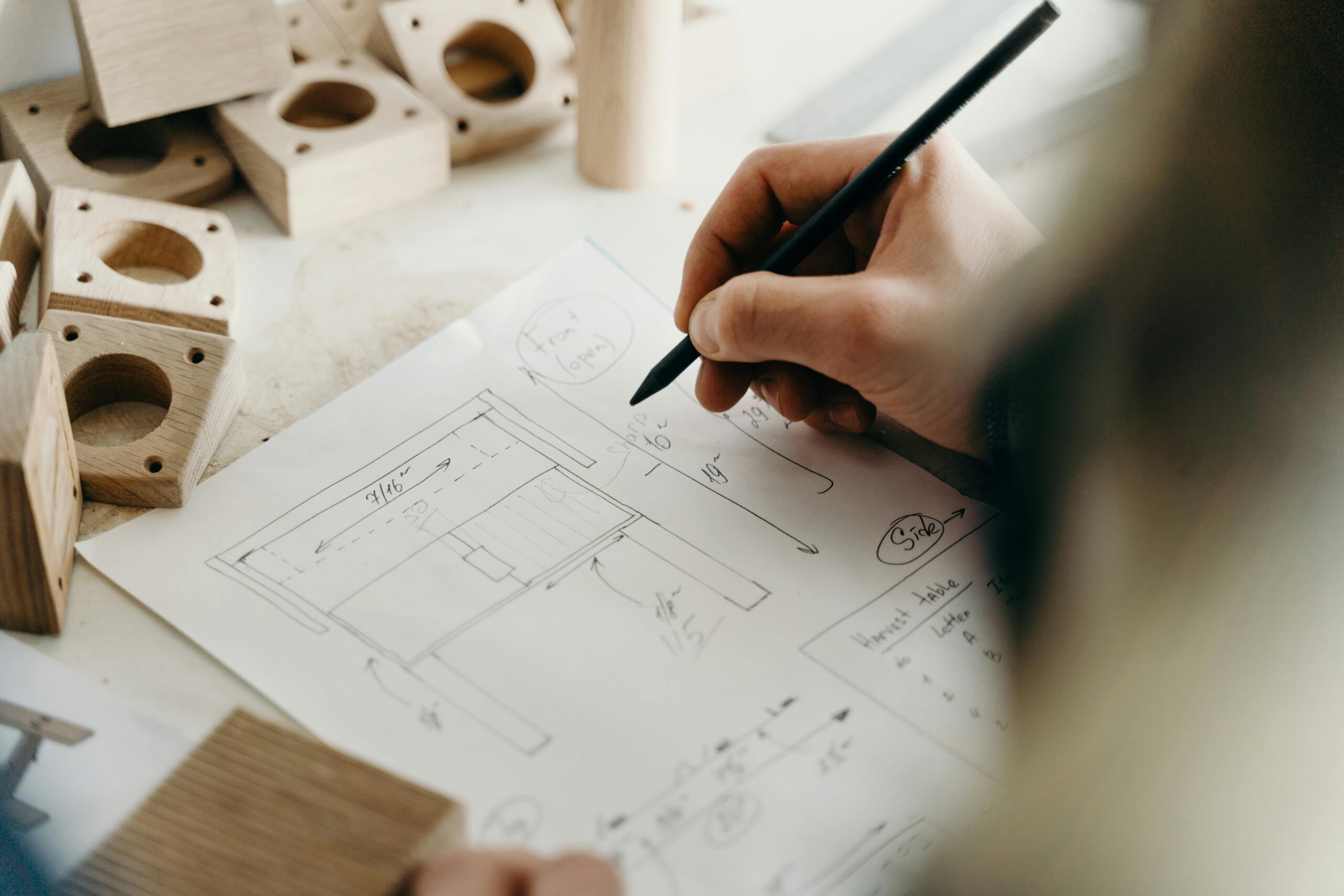
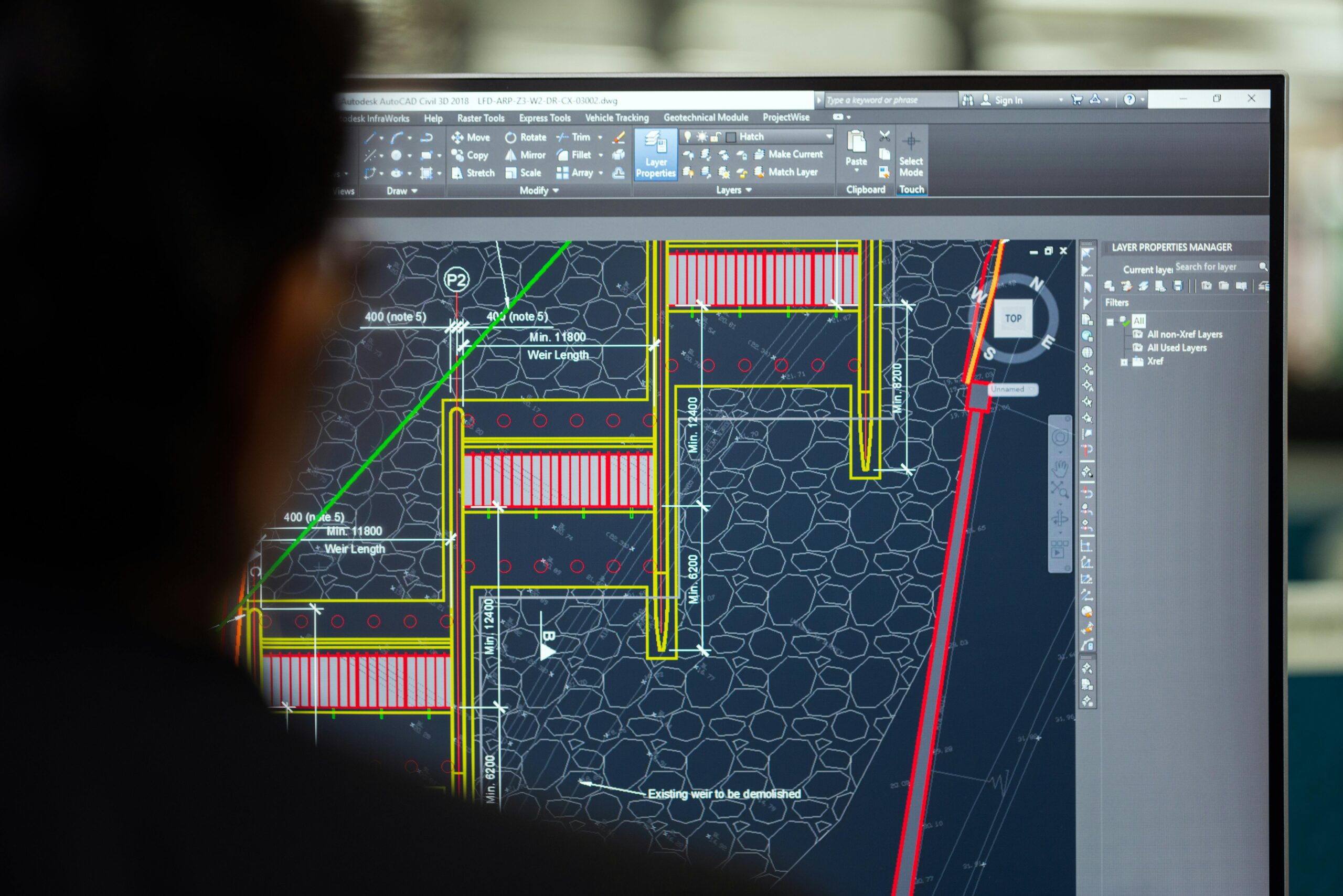
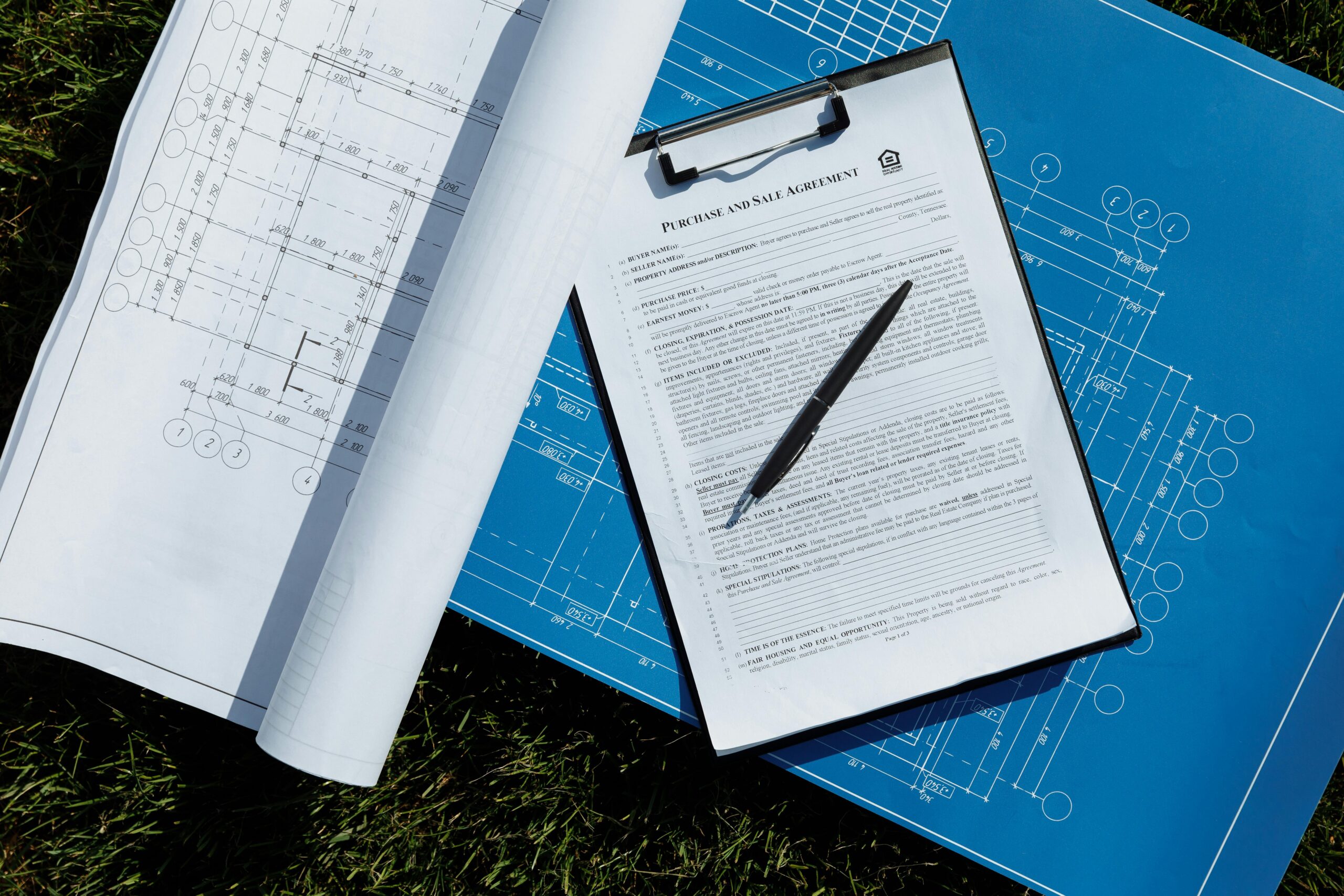
At Studio TBD, our process is more than just a roadmap—it’s a collaborative journey. We work closely with our clients, ensuring each step is carefully crafted to meet their unique needs. Whether it’s a non-profit with long-term funding cycles, a homeowner seeking precision, or a contractor looking for seamless execution, our approach adapts to every challenge.
Step 1: Pre-Design (PD) – Laying the Foundation
This phase of work often provides analysis of potential environmental influences, community planning initiatives, building program, transportation issues, legal and economic influences, site analysis, volumetric and spatial considerations, circulation patterns, budgeting and project scheduling, parking and traffic concerns, real estate and marketing viability, as well as the building and zoning code influences relative to potential design proposals
Step 2: Schematic Design (SD) – Concept Development
This phase of work follows the preparation and delivery of the PreDesign exercises. Here, we establish the relationship of building parts to site elements, logics between all programmatic interests, adjacency requirements and restrictions, spatial relationships, satisfactory building and zoning code conformance, exiting requirements and locations, vertical circulation, ratio of circulation to programmed space, grading concerns, structural logic, plumbing logic and mechanical logic
Step 3: Design Development (DD) – Refining the Details
This phase of work is intended to fix and define the size and character of the Project as to architectural, structural, mechanical, and electrical systems, materials and other such elements as may be appropriate. We begin establishing specific construction types and assemblies, preliminary structural loads and solutions, mechanical routes and required chases, as well as preliminary and anticipated finishes as they relate to the proposed budget
Step 4: Construction Documents (CD) – Blueprint for Execution
Based on an approval of the following work, we will prepare
specific drawings and specifications setting out the requirements for the construction of the project. During this concentrated phase, we assist the Owner in communicating and negotiating construction bids and contracts with contractors in addition to the Owner’s preparations for filing documents required for the approval of governmental authorities having jurisdiction over the
Project
Step 5: Construction Administration (CA) – Bringing the Vision to Life
The designer’s responsibilities for the Project while under construction can include advising the Owner with respect to construction payment schedules, construction performance evaluations, on-site reviews and evaluations of construction progress, review of Shop Drawings / Product samples and Data, the consideration of Contractor or Owner proposed changes as well as any additional detail development beyond the Construction Document Phase
Create an account to access this functionality.
Discover the advantages
We use cookies to ensure that we give you the best experience on our website. If you continue to use this site we will assume that you are happy with it.I agree